6:00 am ‐ 11:00 pm.
After-hours, weekend and urgent appointments available.
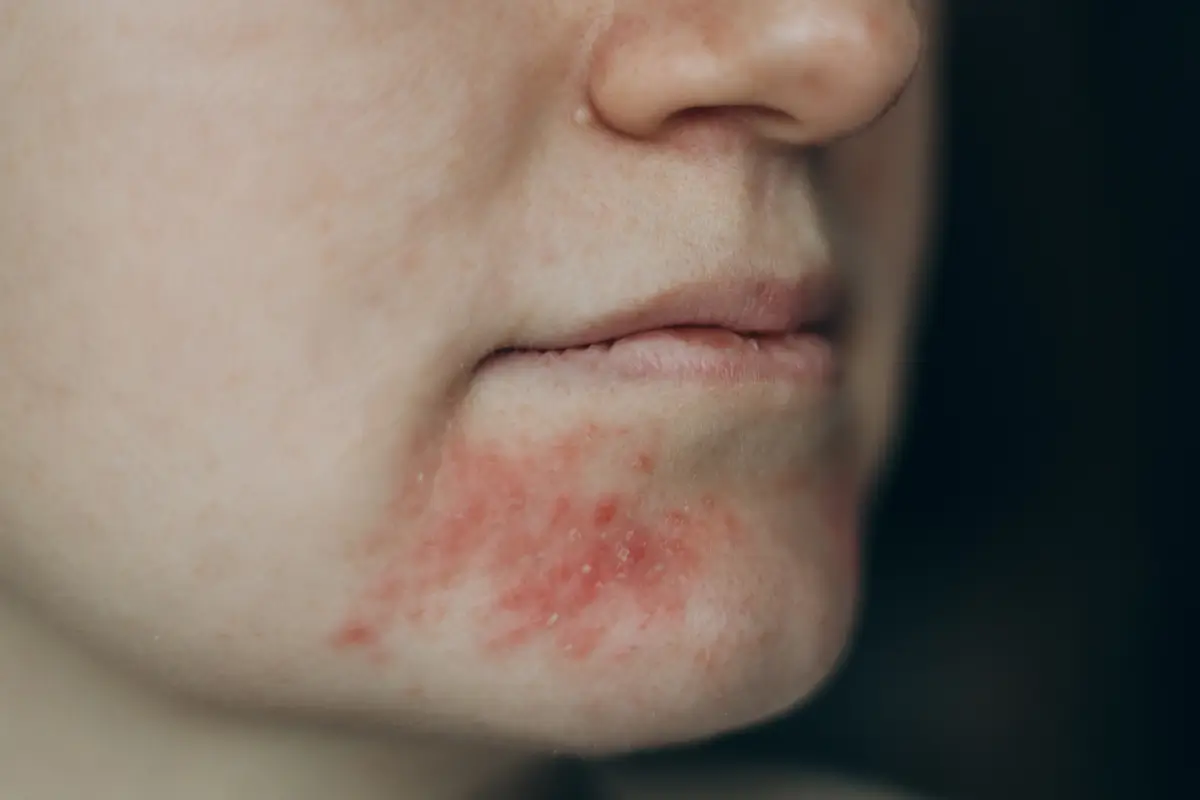
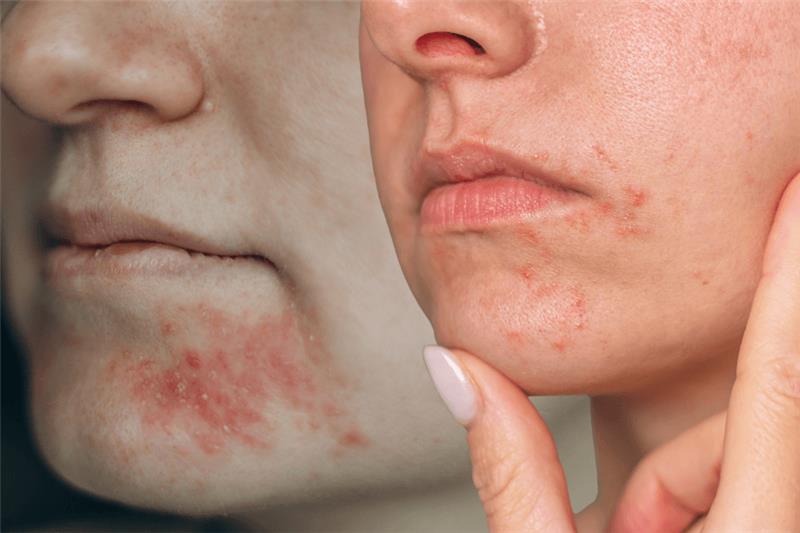
Perioral dermatitis is a skin condition we see quite frequently in clinical practice. It usually presents as a rash around the mouth, and while it can look similar to acne, it tends to behave differently and often requires a different approach to treatment.
It typically appears as:
One distinguishing feature is that the skin immediately around the lips is often spared, creating a visible border.
While it’s not dangerous, it can be persistent and frustrating, particularly when it’s mistaken for acne and treated incorrectly.
At Dermo Direct, Australian dermatologists can assess suspected perioral dermatitis online and guide appropriate next steps.
Perioral dermatitis can affect anyone, but it’s more commonly seen in:
Adults, particularly women
People using multiple skincare or cosmetic products
Those with sensitive or reactive skin
Individuals living in warmer or humid climates
Location: Around mouth, nose, eyes
Lesions: Small red bumps, no blackheads
Sensation: Burning, stinging
Triggers: Steroids, skincare
Location: Face, chest, back
Lesions: Blackheads, whiteheads, cysts
Sensation: Often mild tenderness
Triggers: Hormones, oil production
This distinction matters — we often see cases where acne treatments have actually made perioral dermatitis worse.
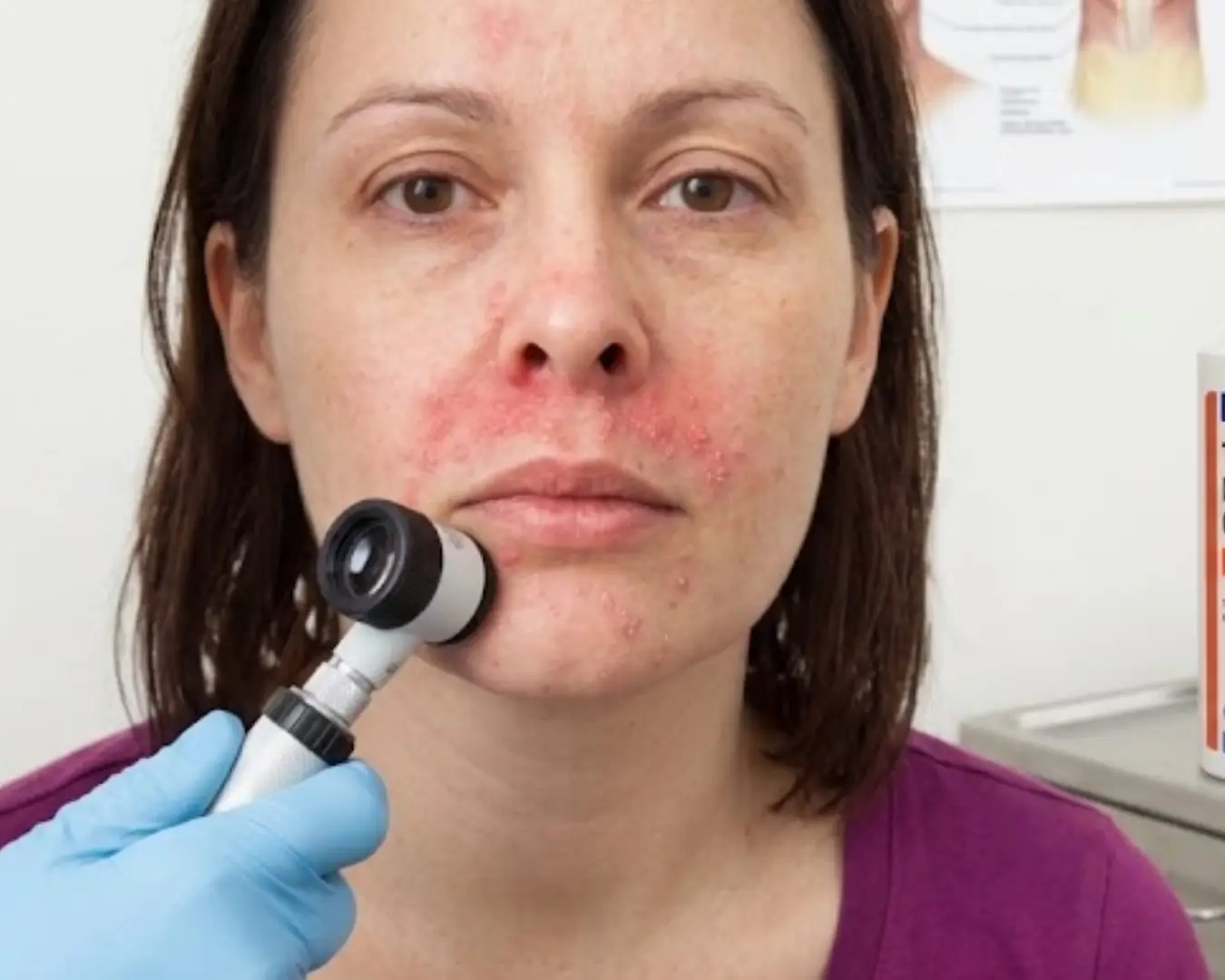
Diagnosis may involve:
In most cases, no tests are required.
With Dermo Direct, you can upload clear photos and receive a clinician review, helping confirm whether this is perioral dermatitis or another skin condition.
Treatment is usually aimed at settling the inflammation and removing any triggers that may be contributing to the rash.
This is often the most important step.
It’s worth noting that symptoms can temporarily worsen after stopping steroid creams — this is a known rebound effect and usually settles with time.
Prescription topical treatments may be recommended to help reduce inflammation and support recovery.
For more persistent or widespread cases, oral medications may be considered. These are typically prescribed for a defined period and monitored by a doctor.
We generally recommend:
Keeping things simple is often key.
This can vary.
With the right approach, most people do see improvement, although consistency is important.
It’s a good idea to seek professional input if:
To reduce the chance of recurrence:
Yes. All dermatologists on Dermo Direct are fully registered in Australia. Online consultations follow strict privacy and safety standards, with the same medical oversight as in-person care.
(08) 8432 1682
Office 6, Unit 2, 73 Hartley Street, Alice Springs NT 0870
Copyright © 2026 Dermo Direct Teledermatology Australia. All rights reserved. Privacy Policy. Terms of Service.