6:00 am ‐ 11:00 pm.
After-hours, weekend and urgent appointments available.
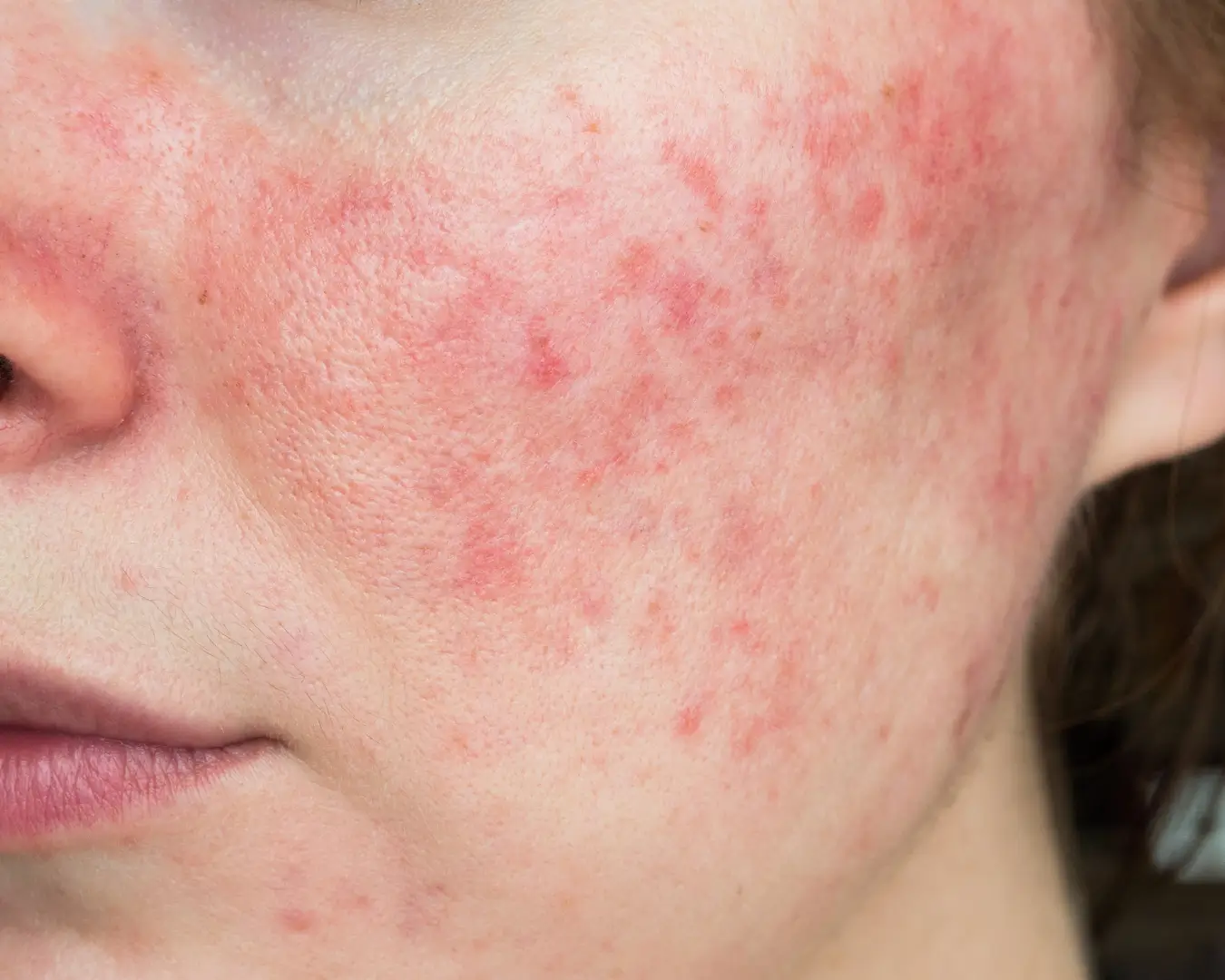
Rosacea is a common but often misunderstood skin condition that causes persistent redness, flushing, and visible blood vessels on the face. For some people, it can also lead to acne-like bumps, skin sensitivity, and eye irritation.
Because rosacea tends to flare unpredictably, many people feel frustrated trying to manage it on their own. With the right medical guidance and trigger awareness, symptoms can be controlled and flare-ups reduced.
Through teledermatology, you can consult experienced Australian dermatologists online and receive a personalised treatment plan without long waiting times.
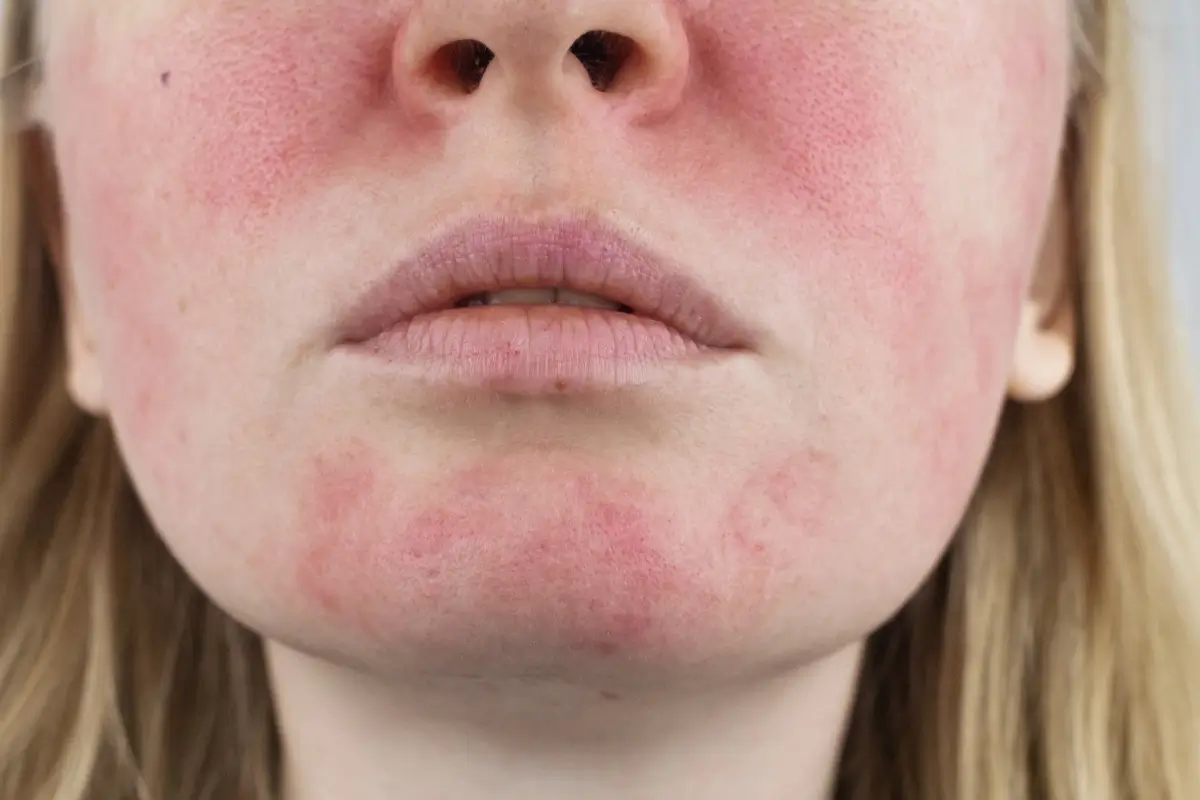
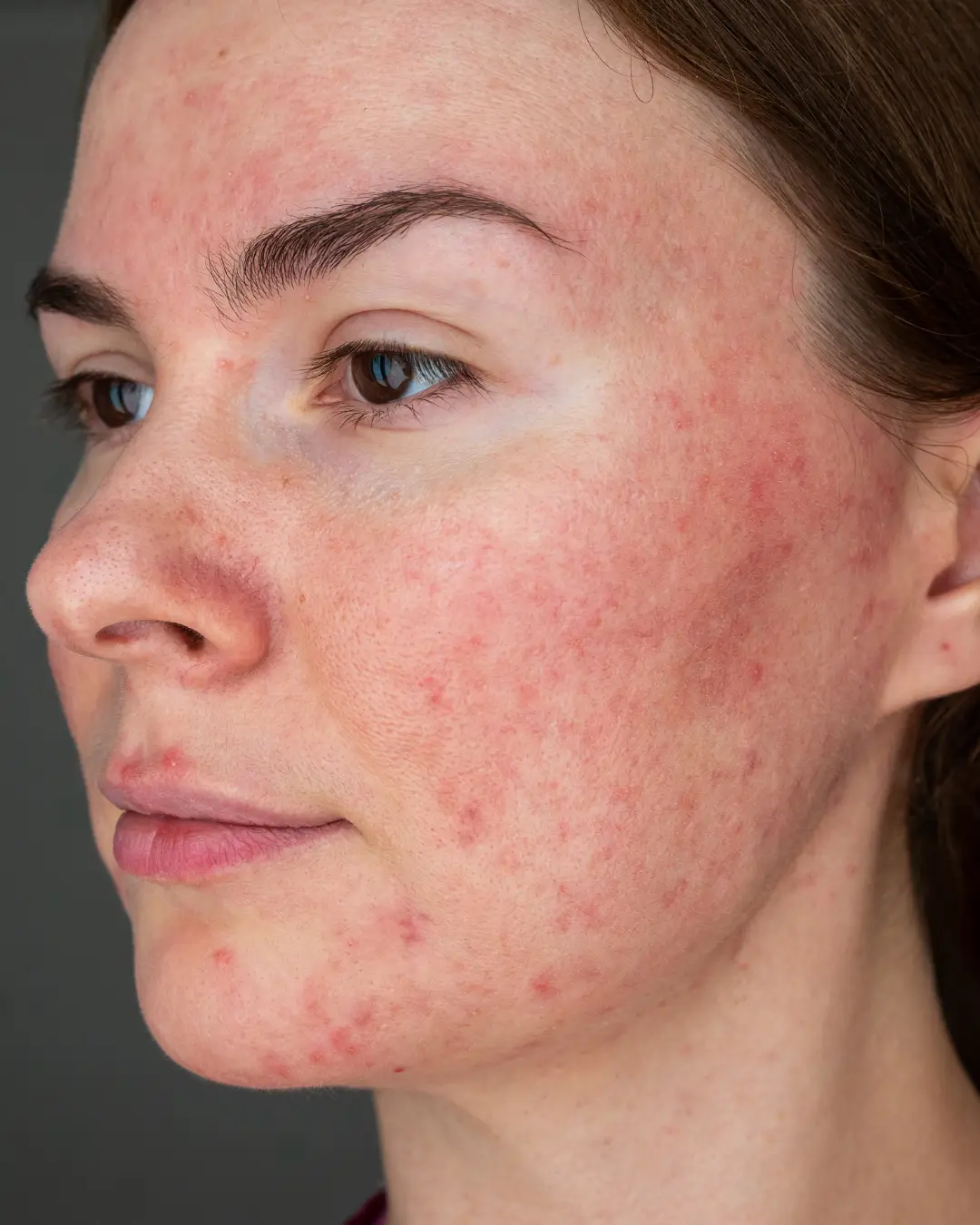
Rosacea is a chronic inflammatory skin condition that most commonly affects the central face — including the cheeks, nose, chin, and forehead.
It often begins with episodes of flushing or redness that gradually become more persistent over time. Common signs include:
Rosacea presents differently from person to person. Identifying the subtype helps guide effective treatment.
Persistent redness and visible blood vessels.
Redness with acne-like bumps and breakouts.
Thickened skin, most commonly affecting the nose.
Eye irritation, dryness, redness, and sensitivity.
Sun exposure
Hot weather and temperature changes
Spicy foods and hot drinks
Alcohol
Although rosacea cannot be cured, treatment can significantly reduce redness, inflammation, and flare-ups. Treatment options may include:
A dermatologist can tailor treatment to your rosacea subtype and symptom severity.
Because rosacea is an ongoing condition, access to regular care can make a meaningful difference. With online dermatology care, you can:
This approach allows patients across Australia — including regional areas — to access specialist care quickly.
People with rosacea often experience heightened skin sensitivity. Products that work for others may cause burning, stinging, or irritation. Helpful habits include:
A dermatologist can help you build a skincare routine suited to sensitive, rosacea-prone skin.
Consider professional care if:
Early treatment may help prevent progression and improve long-term control.
(08) 8432 1682
Office 6, Unit 2, 73 Hartley Street, Alice Springs NT 0870
Copyright © 2026 Dermo Direct Teledermatology Australia. All rights reserved. Privacy Policy. Terms of Service.