6:00 am ‐ 11:00 pm.
After-hours, weekend and urgent appointments available.

Psoriasis is more than a skin condition. The visible plaques, scaling, and redness can be uncomfortable, unpredictable, and emotionally challenging. Many people find flare-ups interfere with sleep, work, and confidence.
With the right treatment and ongoing care, psoriasis can be managed effectively. Through teledermatology, you can consult experienced Australian dermatologists online, receive a personalised treatment plan, and attend follow-ups without long wait times.
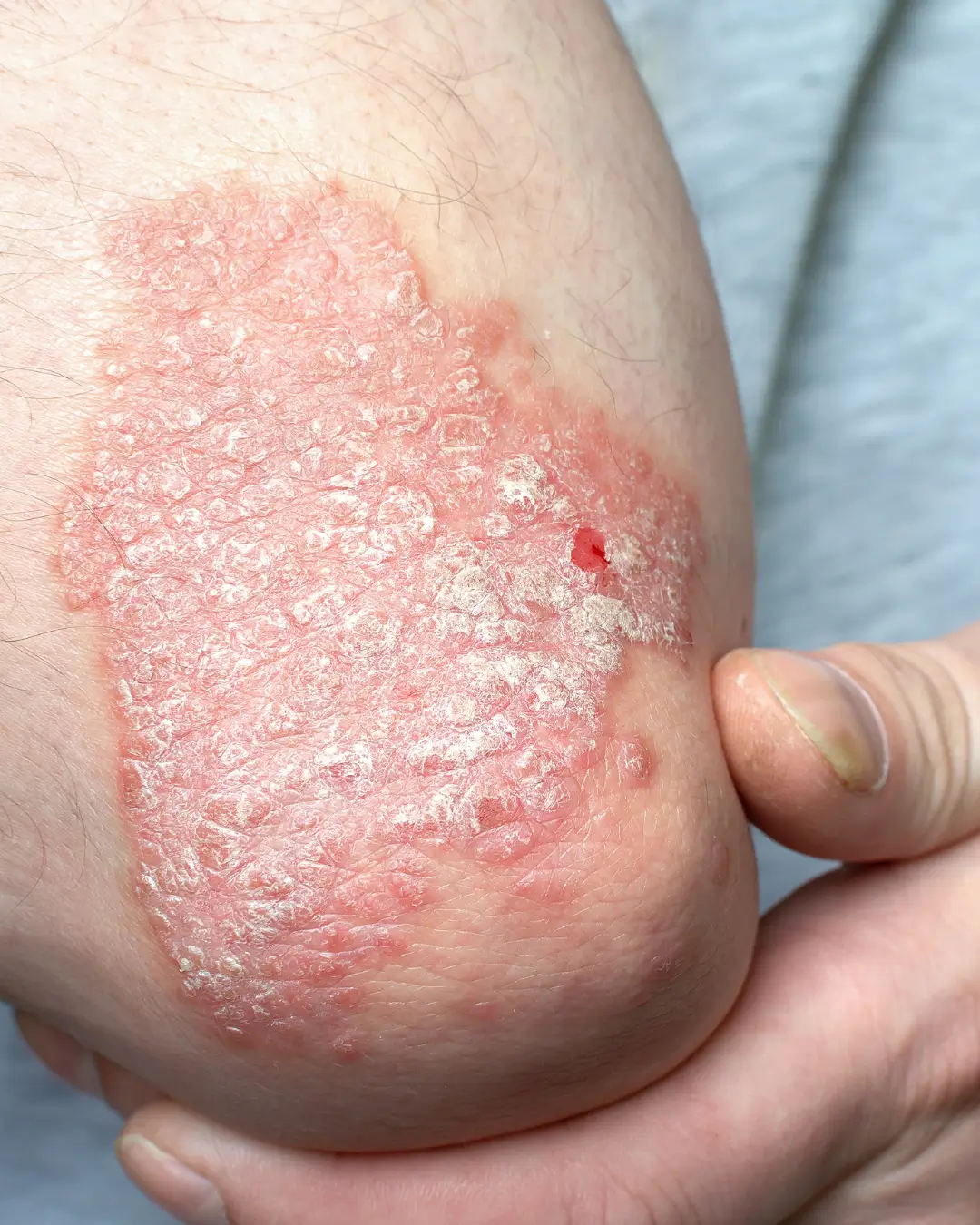
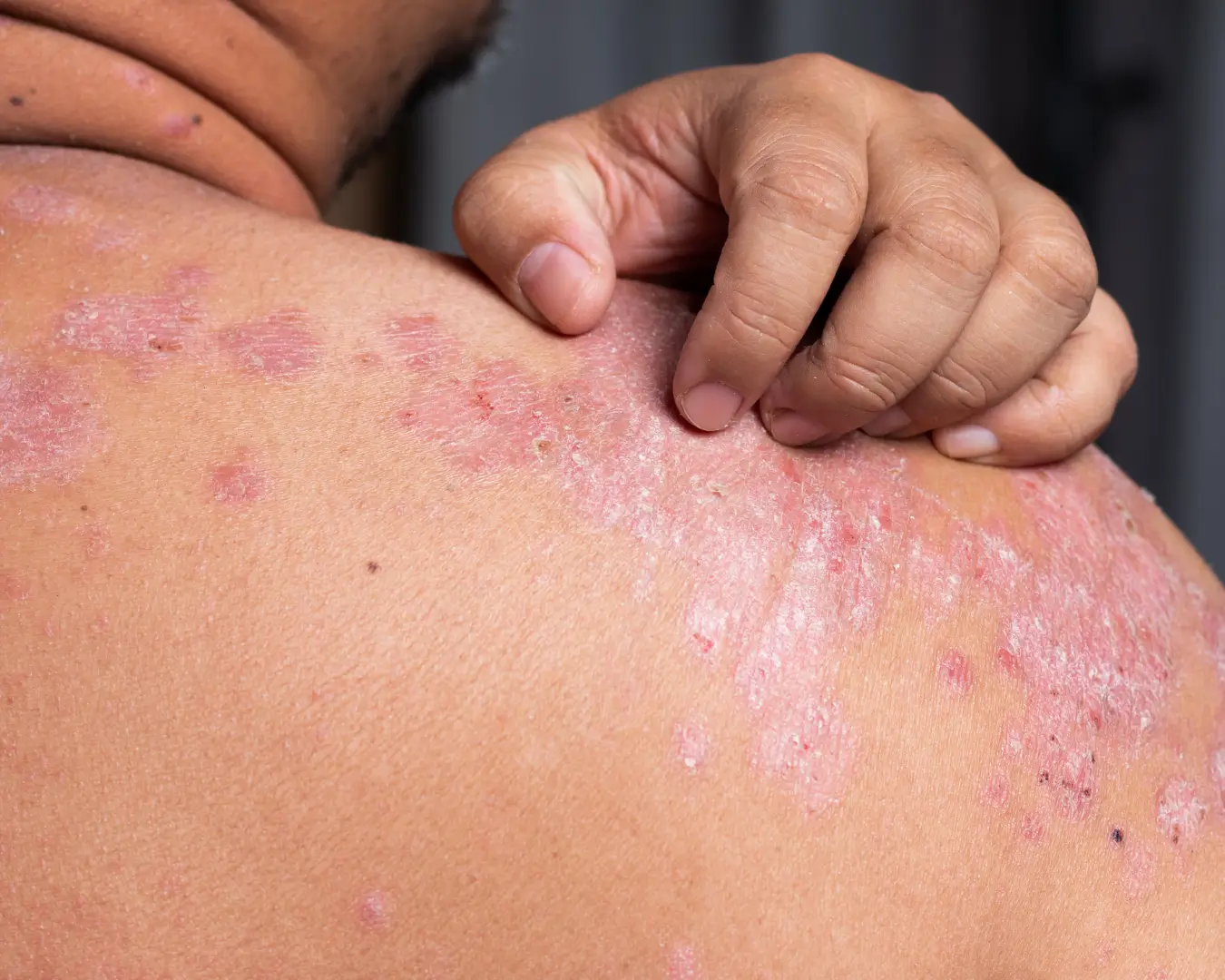
Psoriasis is a chronic autoimmune condition that speeds up skin cell turnover. This rapid cycle causes skin cells to build up on the surface, forming thick, scaly plaques.
It can affect anyone and often develops in early adulthood, though it may appear at any age.
Common symptoms include:
Understanding the type of psoriasis helps guide treatment.
The most common form, causing raised, scaly patches.
Small drop-shaped spots, often triggered by infections.
Smooth, inflamed patches in skin folds such as the groin or underarms.
White pustules surrounded by red skin.
Flaking and scaling on the scalp, sometimes mistaken for dandruff.
A dermatologist can assess your skin, recommend the right treatment, and monitor your progress safely.
Psoriasis symptoms may worsen when certain triggers are present. Identifying personal triggers is an important part of long-term management.
Common triggers include:
Environmental conditions in different Australian climates can also influence flare frequency.
While psoriasis cannot be cured, effective treatment can reduce flare-ups, relieve discomfort, and improve skin appearance.
Medical treatments may include:
A dermatologist will tailor treatment based on severity, affected areas, and your medical history.
Because psoriasis is a long-term condition, ongoing care is often essential. Teledermatology makes management more convenient and consistent.
With online dermatology care, you can:
Receive expert diagnosis and treatment plans
Adjust treatments during flare-ups
Access follow-up care without travel
Monitor progress over time
Psoriasis can affect more than the skin. Many patients experience:
Seeking medical care and building a management plan can significantly improve both skin health and overall wellbeing.
Consider professional care if:
Early care may help prevent complications and improve long-term outcomes.
(08) 8432 1682
Office 6, Unit 2, 73 Hartley Street, Alice Springs NT 0870
Copyright © 2026 Dermo Direct Teledermatology Australia. All rights reserved. Privacy Policy. Terms of Service.