Award-winning
2019 Telstra Business Award

Seborrhoeic dermatitis is a common inflammatory skin condition that causes redness, flaking, itching, and dandruff-like scaling. It most often affects areas of the body with a high number of oil glands, such as the scalp, face, ears and chest.
Although the condition is not contagious, it can be persistent and frustrating to manage. Many Australians experience recurring flare-ups that worsen during periods of stress, seasonal weather changes, or illness.
The good news is that seborrhoeic dermatitis is highly treatable, particularly when diagnosed early by a dermatologist.
With modern teledermatology services such as Dermo Direct, Australians can now receive specialist dermatology care online from home, avoiding long waiting lists and travel to clinics.
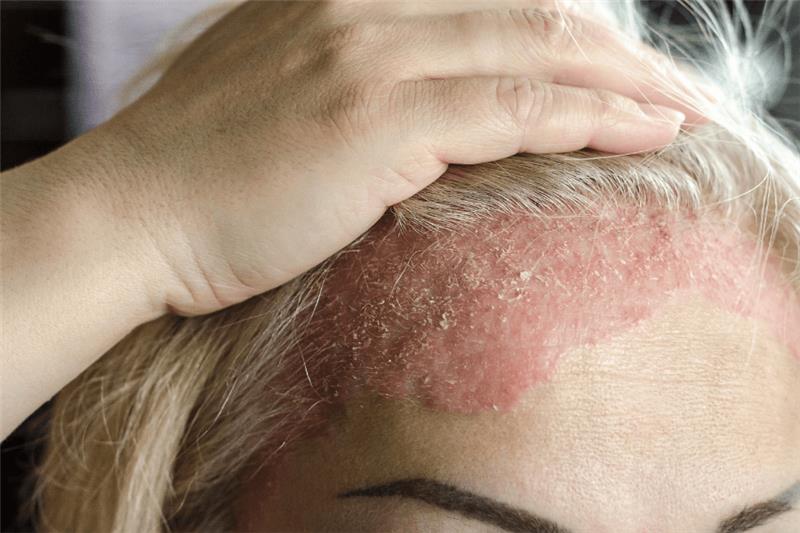
Seborrhoeic dermatitis is a chronic inflammatory skin condition linked to an overgrowth of Malassezia, a naturally occurring yeast that lives on the skin.
In some individuals, the immune system reacts to this yeast, leading to inflammation and the characteristic greasy scales and redness seen in the condition.
It commonly affects areas where sebaceous (oil-producing) glands are active, including:
Seborrhoeic dermatitis can affect people of all ages, but it is most common in infants (cradle cap), adolescents, and adults between 30 and 60 years old.
Symptoms vary from mild dandruff to more inflamed patches of skin. Typical symptoms include:
Symptoms often appear in cycles, with periods of improvement followed by flare-ups.
Dermatology research suggests several factors contribute to seborrhoeic dermatitis.
A natural yeast that lives on the skin can multiply in oily areas and trigger inflammation.
People with more active sebaceous glands are more likely to develop the condition.
Some individuals have a stronger inflammatory response to yeast on the skin.
Flare-ups are more common during:
Australia’s climate variations can also influence skin conditions, particularly during seasonal transitions or changes in humidity.
Seborrhoeic dermatitis can sometimes resemble other skin conditions. A dermatologist may need to rule out:
Because many skin conditions appear similar, professional diagnosis is important when symptoms persist.
Diagnosis is usually straightforward and based on:
Dermatologists are trained to recognise the distinctive pattern of seborrhoeic dermatitis.
Since many skin conditions are diagnosed visually, teledermatology consultations can be an effective way to assess the condition.
Through a secure online consultation, dermatologists can review symptoms, examine the affected areas, and recommend treatment.
At Dermo Direct, consultations are performed by Australian-trained dermatologists who are Fellows of the Australasian College of Dermatologists (FACD).
Seborrhoeic dermatitis cannot always be permanently cured, but symptoms can usually be controlled with the right treatment plan. Treatment focuses on:
Antifungal medications help reduce Malassezia yeast on the skin. Common active ingredients include:
These are often used in medicated shampoos or creams.
Short courses of topical corticosteroids may be prescribed for severe flare-ups to reduce redness and itching.
Dermatologists may prescribe stronger treatments when over-the-counter products are ineffective. These may include:
Prescription treatments are often necessary for facial or persistent seborrhoeic dermatitis.
Over 18,000 dermatology consults delivered.
14,000+ patients treated Australia-wide.
All dermatologists are registered with AHPRA.
Secure and confidential online platform.
Transparent pricing and clear treatment plans.