
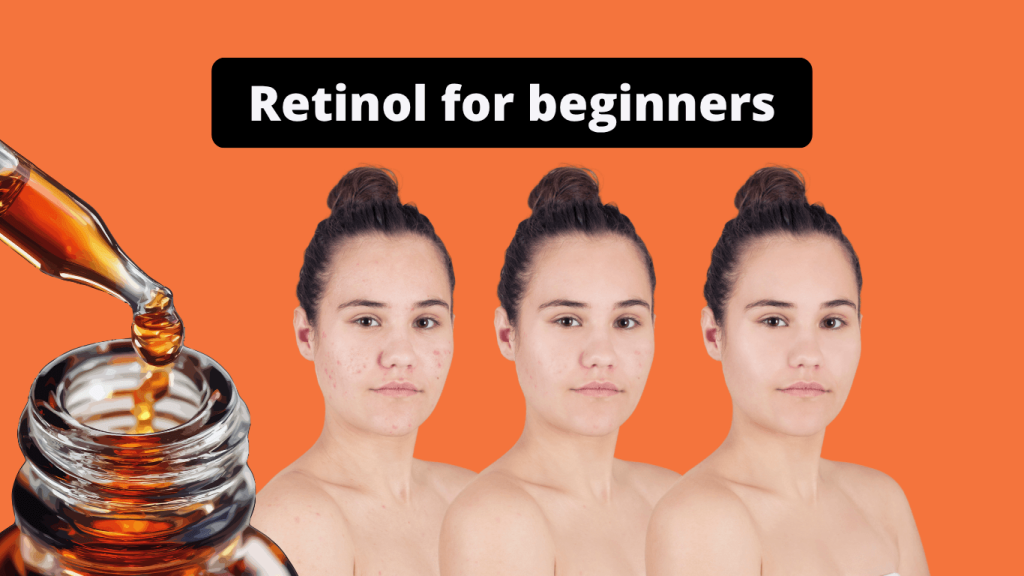
Retinol for beginners is, without question, one of the most Googled skincare topics in Australia right now. And honestly? The internet has made it so much worse than it needs to be.
You’ll find one article telling you to ease in with 0.025% for three months. Another one basically calls that a waste of time and nudges you straight toward prescription tretinoin. Then there’s that one forum thread — you know the one — where someone describes their skin “purging” so badly their colleagues thought they had chickenpox. Severe reactions are uncommon and should be assessed by a healthcare professional.
Here’s where most people go wrong: they treat retinol like a universal formula when it really isn’t. What works brilliantly for a 28-year-old with oily, resilient skin in Melbourne can be an absolute disaster for someone with dry, reactive skin sweating through a Brisbane January. Context matters enormously with this ingredient, and nobody seems to talk about that enough.
So that’s what this article is actually going to do. Talk about context. Your skin, your climate, your routine — and how retinol fits into all of it without the horror stories.
What retinol actually does — no overclaiming, just the honest version
Retinol is a form of Vitamin A. It’s been a fixture in dermatology circles since the 1970s, which in skincare terms is practically ancient. The fact that it’s still being talked about this much, this many decades later, tells you something. Trends come and go. Retinol just… keeps delivering.
The mechanism people talk about most is skin cell turnover. Basically, your skin has a natural renewal cycle — old surface cells shed, newer ones come through underneath. When you’re young, this moves along at a decent clip. As you get older, it slows significantly. The visible result of that slowdown is what most of us are actually trying to fix: dullness, rough texture, congested pores, those fine lines that appear overnight and refuse to leave.
Retinol is thought to support the skin’s natural renewal process. Over consistent weeks and months of use, many people report improvements in the visible appearance of skin texture and tone. That’s the cosmetic side of things, and it’s what an OTC product can legitimately help with.
What retinol isn’t — at least not in the over-the-counter form we’re talking about here — is a medical treatment. It won’t treat a diagnosed skin condition, it won’t replace a dermatologist’s advice, and this article certainly isn’t medical guidance. Clear on that? Good. Let’s keep going.
Retinol vs retinoid for beginners — the bit that actually confuses people
Right. The retinol vs retinoid for beginners confusion is real and completely understandable, so let’s sort it out quickly.
Retinoid is the category. Retinol is one member of that category. Think of it like coffee — retinoids are coffee, and retinol is a flat white. Effective, widely available, suits most people. Prescription-strength tretinoin, on the other hand, is a triple shot straight to the face. Same family. Very different experience.
Over-the-counter retinoids, including standard retinol, are what you’ll find at Priceline, your local pharmacy, or through reputable skincare retailers. They’re formulated for unsupervised cosmetic use and are suitable for most people to start with independently. They work by converting to retinoic acid in the skin — gradually, through a few steps — which is exactly why they tend to be better tolerated than the prescription versions.
Dermatologist-grade retinol AU Prescription-strength retinoids options are a separate conversation entirely. Under TGA regulations in Australia, prescription-strength retinoids are only legally accessible through a licensed medical professional. Full stop. If you’re seeing these sold without any clinical involvement, that’s worth being cautious about. For a diagnosed skin condition — persistent acne, significant photodamage, something that OTC options haven’t touched after months of honest effort — that’s when a GP or dermatologist referral becomes genuinely worthwhile.
For everyone else starting out? The OTC route is plenty.
Finding the best retinol Australia actually stocks — cut through the noise
Walk into a pharmacy with the intention of buying retinol and you’ll likely stand in the aisle for an uncomfortably long time doing absolutely nothing productive. There are a lot of options and most of the packaging says nothing particularly useful.
A few things that actually cut through:
Concentration first. For a beginner, you want 0.025% to 0.1%. That range probably sounds laughably low if you’ve been reading forums where everyone seems to be using 0.5% or 1%. Ignore that. Those people have built up months — sometimes years — of tolerance. You haven’t yet. Starting too high is the single most common reason people quit retinol within the first month, convinced it “doesn’t agree” with them, when really they just asked too much of their skin too soon.
Formulation second. The best retinol Australia brands stock isn’t necessarily the one with the highest concentration — it’s the one built to minimise irritation while the ingredient does its job. Look for a vitamin A serum Australia retailers carry that combines retinol with ceramides, hyaluronic acid, or niacinamide. These aren’t just padding. They genuinely support the skin barrier during adjustment.
Packaging third. Retinol is unstable. Light and air break it down faster than you’d think, which means that beautifully aesthetic clear glass jar is probably undermining the product inside it. Opaque tubes and airless pump dispensers maintain potency far better. Boring packaging, better results. That’s the trade-off.
And please — buy from somewhere accountable. Australian pharmacies, registered clinics, verified skincare retailers. Every cosmetic and therapeutic product sold here falls under Therapeutic products are regulated by the Therapeutic Goods Administration, while cosmetics must comply with Australian consumer and ingredient safety regulations. TGA compliance requirements. Random overseas marketplace sellers don’t come with that guarantee, and you genuinely don’t always know what you’re getting.
Retinol for sensitive skin AU — you’re not automatically disqualified
Every week someone with sensitive skin decides retinol isn’t for them before they’ve even tried it. Usually because they read about purging and peeling and decided, reasonably enough, that they’d rather not.
Here’s the thing though: retinol for sensitive skin AU users is entirely doable. It just looks different to how someone with normal or oily skin approaches it. Different pace, different buffering, different expectations in those first weeks.
Frequency before concentration — this is often the most important factor for sensitive skin.. Don’t start at every other night. Don’t even start at twice a week. Once a week, that’s your opening move. One application, let your skin respond, wait the full week. If after three or four weeks there’s been no significant reaction — a bit of mild dryness is normal, not a crisis — move to twice a week. Slow and steady isn’t a cop-out. It’s genuinely how you get retinol to work long-term without torching your skin barrier in month one.
The sandwich method is worth knowing about. Moisturiser on first, retinol on top, moisturiser again over that. It buffers delivery and softens the impact significantly for people whose skin leans reactive. Some people find this approach lets them use retinol they otherwise couldn’t tolerate at all.
Keep everything else in your routine very boring while you’re in the adjustment phase. This means setting aside the AHAs, the BHAs, the strong vitamin C, the benzoyl peroxide — not forever, but for now. Introducing retinol alongside a bunch of other actives is asking your skin to deal with too many variables at once. If something goes wrong, you won’t even know what caused it.
Patch test. Upper arm or behind the ear, 24 to 48 hours. It costs you nothing but a couple of days and it matters more than people give it credit for.
Persistent redness, significant peeling that doesn’t settle, ongoing discomfort — stop the product and talk to a dermatologist or GP. Some skin genuinely needs professional guidance to find the right formulation, and there’s no shame in that.
Your nighttime skincare routine — keeping it simple enough to actually stick to
Retinol is an evening ingredient. This isn’t a preference or a suggestion — it breaks down in sunlight and it can increase photosensitivity, so applying it in the morning is working against yourself on both counts.
Your nighttime skincare routine around retinol really doesn’t need to be elaborate. Elaborate routines are harder to maintain and harder to troubleshoot when something goes wrong. Simple is better, especially at the start.
Cleanse first. Something without fragrance, without anything foaming or stripping. You’re removing the day — sunscreen, pollution, whatever else accumulated — not scrubbing your face into submission.
Then wait. Genuinely. Ten to fifteen minutes after cleansing before the retinol goes on. Applying to damp skin amplifies absorption in a way that tips easily into irritation. It seems like a small thing and it actually isn’t.
Retinol next. A pea-sized amount — one small pea — spread across your whole face. It goes further than you expect. Avoid the eye area, the corners of the nose, and the lips unless the formula you’re using is designed for those spots specifically.
Moisturiser straight after. Not after three more serums, not after you’ve scrolled your phone for twenty minutes — right after. Something with ceramides, peptides, or squalane. Seal the barrier, support the skin, and call it done.
Morning routine: sunscreen. SPF 30 at the very least. SPF 50+ is the Australian standard for good reason. Every day, even in winter, even when it’s overcast. Especially when you’re using retinol.
How to use retinol in Australian summer without regretting it
This is the question that comes up more than almost any other from Australian beginners, and it’s a completely fair one. Knowing how to use retinol in Australian summer isn’t just useful — it’s genuinely important given what our UV environment actually looks like.
Australia experiences some of the highest UV levels in the world. Skin that’s adjusting to retinol is more photosensitive than usual during that adjustment period. That combination asks for a bit more care than you’d need in a milder climate.
Evening-only application is even more critical here than it already is. And the morning SPF piece stops being optional skincare advice and becomes essential sun protection.
If you haven’t started yet and you’re reading this in October or November — hold on till late autumn if you can. Starting a retinol routine over winter gives your skin the most forgiving conditions to adjust. Come summer, your skin will have had months to build tolerance and you’ll be in a much better position.
If it’s already January and you’re committed to starting now, the answer isn’t to wait until autumn. It’s to start lower than you might otherwise, increase more slowly, and be more rigorous about sun protection than your previous routine probably required. SPF every morning, reapplied if you’re outdoors for any meaningful stretch of time.
Beach day coming up? Skip the retinol the night before. Day after extended sun exposure? Give your skin a night off. These are small adjustments, not lifestyle overhauls. Resume your regular routine the following evening and keep moving.
Are over-the-counter retinoids worth it without a script?
Short answer: for most people chasing cosmetic goals, for many people pursuing cosmetic skin goals, yes.
Over-the-counter retinoids available in Australian pharmacies and skincare stores are formulated specifically for independent use, within concentration ranges considered appropriate without clinical supervision. Cosmetic claims — improving the visible appearance of skin texture, evening out tone, supporting a smoother-looking complexion over time — are within what an OTC retinol can reasonably deliver with consistent use.
What they can’t do, and aren’t permitted to claim under TGA advertising standards, is treat, cure, or prevent a medical condition. Any product making those claims without being a TGA-registered therapeutic good is outside Australian regulations — and worth approaching with healthy scepticism.
Four to six months of genuine, consistent use with an OTC product is a reasonable trial period before deciding whether you need to step things up. If you plateau after that, or if your concern is something a dermatologist has previously assessed as needing more targeted treatment, that’s the conversation to have with a professional. They can determine whether a prescription-grade option is clinically appropriate for your specific situation.
Where does that leave you?
Honestly? In a better position than most people who start this journey by diving into forums at midnight and emerging three hours later more confused than when they started.
Start with a low concentration. Build your nighttime skincare routine around one application a week and increase gradually from there. Wear your SPF every single morning — not most mornings, every morning. If your skin is sensitive, slow everything down further and use the sandwich method without apologising for it.
The best retinol Australia has available isn’t the most impressive-looking product or the highest percentage. It’s the one you’ll actually use correctly, at the right pace, for long enough to see what it can do. That takes months, not weeks. And the people who get visible improvements over time. are almost always the ones who accepted that early and got on with it.
If anything in this article raises questions about your specific skin, a dermatologist or GP is the right person to answer them. Not a forum. Not a brand’s Instagram page. An actual professional who can look at your skin and give you advice that’s genuinely tailored to you.
Disclaimer: This article is for general informational and educational purposes only. It does not constitute medical or dermatological advice. Skin types, conditions, and responses to ingredients vary between individuals. If you have a diagnosed skin condition, are pregnant, breastfeeding, or taking medications that may interact with topical Vitamin A, please consult a qualified healthcare professional before introducing retinol or any new active ingredient into your routine.