Award-winning
2019 Telstra Business Award
Contactless
Real-time video consultation
Availability
After hours, weekend and urgent appointments

Hidradenitis Suppurativa: Symptoms, Causes & Treatment in Australia

What is Hidradenitis Suppurativa?

Hidradenitis suppurativa (HS) is a chronic inflammatory skin condition that causes painful lumps under the skin, most commonly in areas where skin rubs together. These areas often include:

  • Armpits
  • Groin
  • Inner thighs
  • Buttocks
  • Under the breasts

In clinical practice, HS is often underdiagnosed or mistaken for recurrent boils or ingrown hairs, which can delay proper treatment.

The condition can vary significantly — from occasional flare-ups to more persistent or severe disease.

At Dermo Direct, dermatologists can assess suspected HS online and guide appropriate next steps, including whether specialist care is recommended.
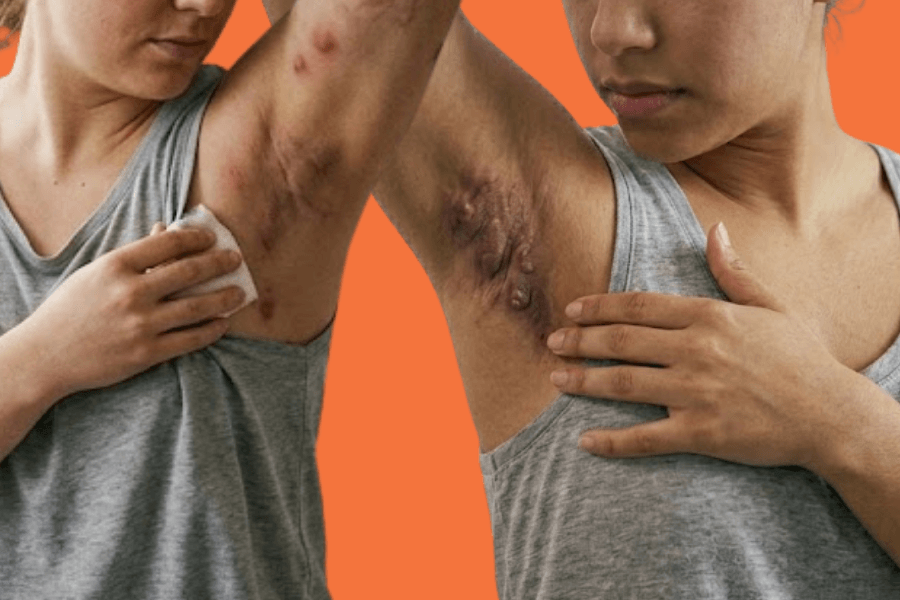
Hidradenitis Suppurativa

What Does Hidradenitis Suppurativa Look Like?

Common features include:

  • Painful lumps under the skin
  • Recurrent “boil-like” lesions
  • Draining pus or fluid
  • Blackheads in affected areas
  • Scarring or tunnels under the skin (in more advanced cases)

Many people notice that the same areas flare repeatedly over time.

What Causes Hidradenitis Suppurativa?

The exact cause isn’t fully understood, but HS is thought to involve:

  • Blockage and inflammation of hair follicles
  • Immune system dysregulation
  • Genetic factors (it can run in families)

It is not caused by poor hygiene and is not contagious.

Risk Factors

Factors associated with HS include:

  • Family history
  • Smoking
  • Being overweight or obese
  • Hormonal influences

That said, HS can occur in people without any obvious risk factors.

How is HS Different from Boils or Acne?

Hidradenitis Suppurativa

  • PatternRecurrent, same areas
  • LocationSkin folds (armpits, groin)
  • LesionsDeep, painful nodules
  • ProgressionCan form tunnels and scars

Boils / Acne

  • PatternMore random
  • LocationFace, back, anywhere
  • LesionsSurface pustules or abscesses
  • ProgressionUsually resolves without scarring

We often see patients who have been treated repeatedly for “boils” before HS is recognised.

How is Hidradenitis Suppurativa Diagnosed?

Diagnosis is usually based on:

  • The appearance and location of lesions
  • Recurrence in the same areas
  • Your medical history

There are no specific blood tests for HS, but in some cases additional investigations may be recommended.

With Dermo Direct, you can upload photos and provide a history of your symptoms, allowing dermatologists to assess whether HS is likely and guide next steps.

Treatment for Hidradenitis Suppurativa in Australia

Treatment depends on the severity and frequency of flare-ups. The aim is to reduce inflammation, manage symptoms, and prevent progression.

1. Lifestyle & Skin Care Measures

These may help reduce flare frequency:

  • Wearing loose, breathable clothing
  • Reducing friction in affected areas
  • Smoking cessation (if applicable)
  • Weight management where relevant

2. Topical Treatments

In milder cases, topical treatments may be recommended to help control inflammation and bacterial overgrowth.

3. Oral Medications

For more persistent disease, oral medications may be prescribed. These may include:

  • Anti-inflammatory or antibiotic medications
  • Other medications aimed at reducing flare frequency

These require medical supervision and are prescribed based on individual circumstances.

4. Advanced / Specialist Treatments

For moderate to severe HS, dermatologist-led treatments may be considered. These can include:

  • Targeted systemic medications (including biologic therapies)
  • Procedures to manage persistent lesions or scarringAccess to these treatments typically requires assessment by a dermatologist and may involve specific eligibility criteria under Australian prescribing guidelines.

If appropriate, Dermo Direct dermatologists can help identify when referral to a dermatologist is recommended and guide you through next steps.

Can HS Be Cured?

HS is generally considered a chronic condition, meaning it can persist over time. However, with appropriate management, many people are able to:

  • Reduce flare-ups
  • Improve symptoms Prevent progression

Early recognition and treatment can make a meaningful difference.

When Should You Seek Medical Advice?

It’s worth seeking professional care if:

  • You have recurring painful lumps in the same areas
  • Lesions are not healing or are worsening
  • There is significant pain, drainage, or scarring
  • You’ve been repeatedly treated for “boils” without improvement

Living with Hidradenitis Suppurativa

HS can have a significant impact on quality of life, particularly when flare-ups are frequent or painful.

If you’re dealing with ongoing symptoms, you’re not alone — and support and treatment options are available.

Frequently asked questions

1. Is hidradenitis suppurativa contagious?

No, it is not contagious.

2. Is it caused by poor hygiene?

No — HS is not related to hygiene.

3. Can diet affect HS?

Some people notice triggers, but this varies between individuals.

4. Will I need to see a dermatologist?

In more persistent or severe cases, referral to a dermatologist may be recommended.

Start Your Online Skin Consultation

If you’re experiencing recurring painful lumps or “boils,” getting the right diagnosis early can help guide more effective treatment.

If you’re dealing with ongoing symptoms, you’re not alone — and support and treatment options are available.

Why patients trust Dermo Direct

Over 18,000 dermatology consults delivered.

14,000+ patients treated Australia-wide.

All dermatologists are registered with AHPRA.

Secure and confidential online platform.

Transparent pricing and clear treatment plans.

Your dermatologists

Dr Janet Kim

Dr Janet Kim

Dermatologist

Dr. Brendan Stagg

Dermatologist
Dr Arabella Wallett

Dr. Arabella Wallett

Dermatologist