Award-winning
2019 Telstra Business Award
Contactless
Real-time video consultation
Availability
After hours, weekend and urgent appointments

Perioral Dermatitis: Causes, Symptoms & Treatment in Australia

What is Perioral Dermatitis?

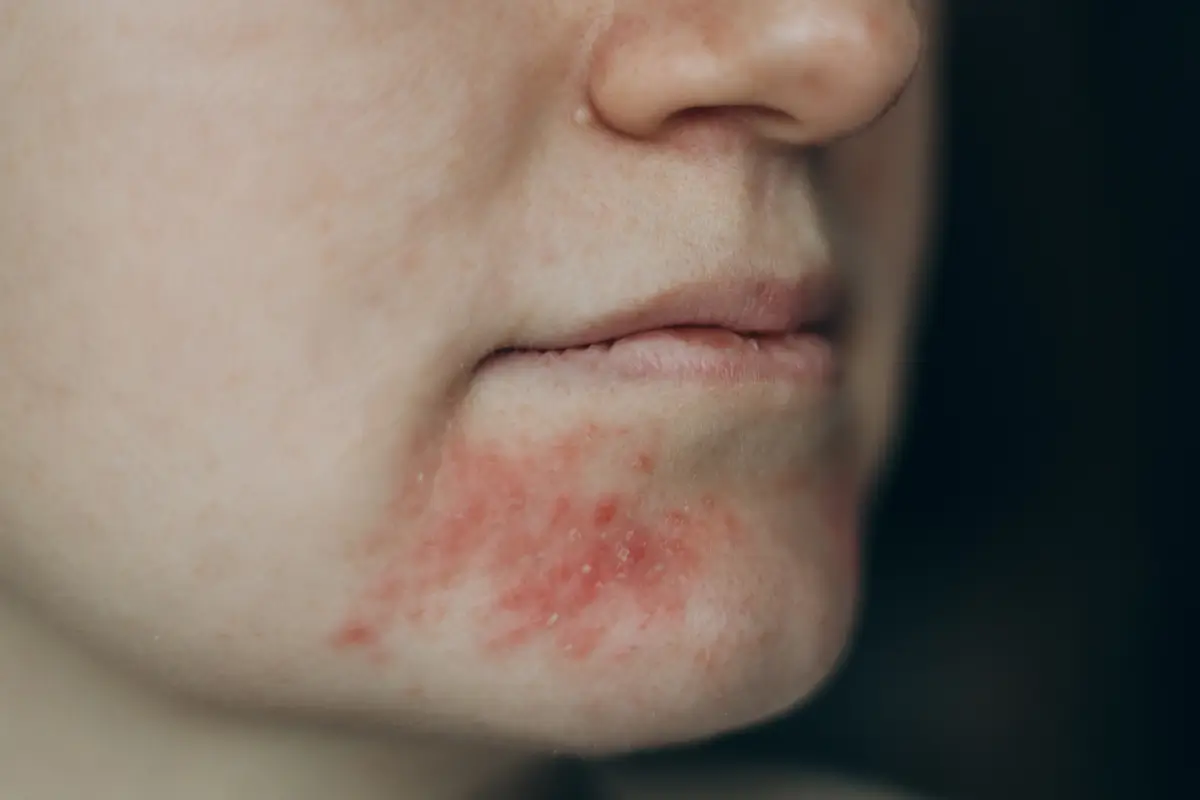
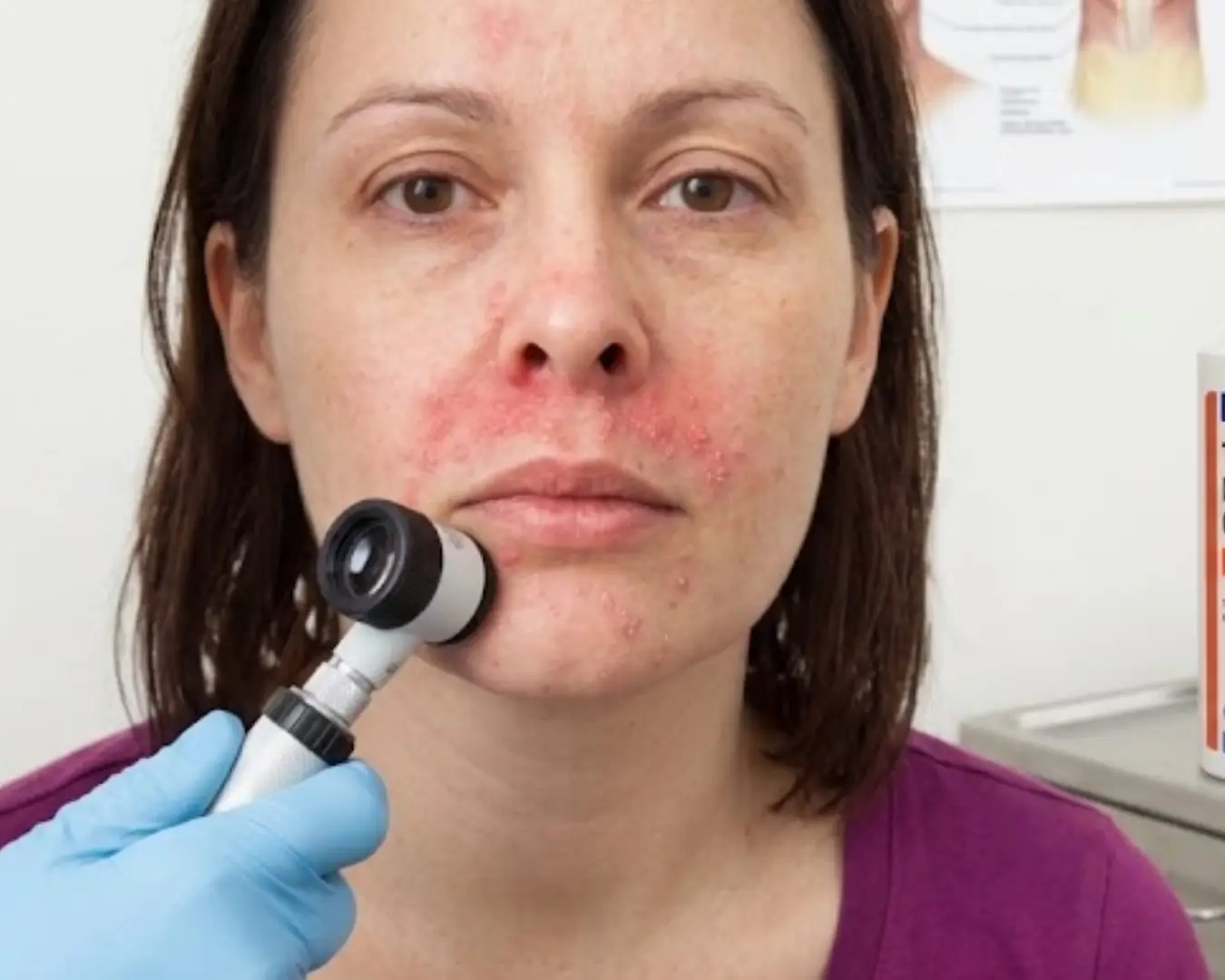
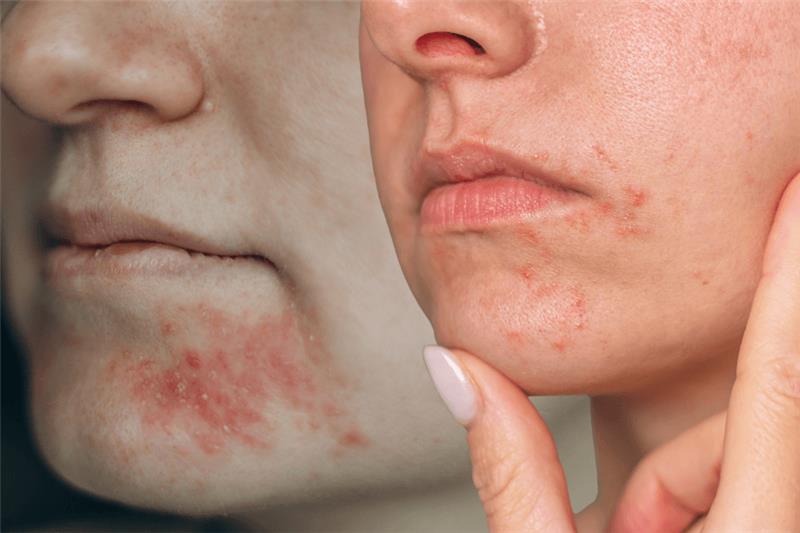
Perioral dermatitis is a skin condition we see quite frequently in clinical practice. It usually presents as a rash around the mouth, and while it can look similar to acne, it tends to behave differently and often requires a different approach to treatment.

It typically appears as:

  • Small red bumps
  • Dry, flaky or irritated skin
  • A burning or tight sensation

One distinguishing feature is that the skin immediately around the lips is often spared, creating a visible border.

While it’s not dangerous, it can be persistent and frustrating, particularly when it’s mistaken for acne and treated incorrectly.

At Dermo Direct, Australian dermatologists can assess suspected perioral dermatitis online and guide appropriate next steps.

Perioral Dermatitis

What Does Perioral Dermatitis Look Like?

Common features include:

  • Clusters of small red or pink bumps
  • Dry, flaky or scaly skin
  • Mild swelling or sensitivity
  • Burning or stinging (often more than itching)

We often see this condition mistaken for acne or eczema, which can delay the right treatment.

What Causes Perioral Dermatitis?

The exact cause isn’t always clear, but in many cases there are identifiable triggers. Common triggers include:

  • Topical corticosteroids (one of the most common causes)
  • Heavy or occlusive skincare products
  • Overuse of active ingredients (e.g. exfoliating acids or retinoids)
  • Fluoridated toothpaste (in some individuals)
  • Hormonal factors

A pattern we frequently see is the condition starting after the use of a steroid cream on the face — even if it was prescribed for another skin issue.

Who Is More Likely to Get It?

Perioral dermatitis can affect anyone, but it’s more commonly seen in:
  • Adults, particularly women
  • People using multiple skincare or cosmetic products
  • Those with sensitive or reactive skin
  • Individuals living in warmer or humid climates

Perioral Dermatitis vs Acne

Perioral Dermatitis

  • LocationAround mouth, nose, eyes
  • LeisonsSmall red bumps, no blackheads
  • SensationBurning, stinging
  • TriggersSteroids, skincare

Acne

  • LocationFace, chest, back
  • LeisonsBlackheads, whiteheads, cysts
  • SensationOften mild tenderness
  • TriggersHormones, oil production

This distinction matters — we often see cases where acne treatments have actually made perioral dermatitis worse.

How is Perioral Dermatitis Diagnosed?

Diagnosis may involve:

  • The appearance of the rash
  • Your skincare and medication history

In most cases, no tests are required.

With Dermo Direct, you can upload clear photos and receive a clinician review, helping confirm whether this is perioral dermatitis or another skin condition.

Treatment for Perioral Dermatitis in Australia

Treatment is usually aimed at settling the inflammation and removing any triggers that may be contributing to the rash.

1. Stop Triggering Products (“Zero Therapy”)

This is often the most important step.

  • Discontinue topical steroids (with medical guidance)
  • Simplify your skincare routine
  • Use only a gentle cleanser and basic moisturiser

It’s worth noting that symptoms can temporarily worsen after stopping steroid creams — this is a known rebound effect and usually settles with time.

2. Topical Treatments

Prescription topical treatments may be recommended to help reduce inflammation and support recovery.

3. Oral Medications

For more persistent or widespread cases, oral medications may be considered. These are typically prescribed for a defined period and monitored by a doctor.

4. Skincare Adjustments

We generally recommend:

  • Avoiding heavy, occlusive creams
  • Using fragrance-free, non-irritating products
  • Avoiding over-exfoliation

Keeping things simple is often key.

How Long Does It Take to Clear?

This can vary.

  • Mild cases may improve within a few weeks
  • More persistent cases can take several weeks to a few months

With the right approach, most people do see improvement, although consistency is important.

When Should You Seek Medical Advice?

It’s a good idea to seek professional input if:

  • The rash is not improving or is getting worse
  • You’ve been using steroid creams on your face
  • Over-the-counter treatments aren’t helping
  • The rash is spreading or becoming uncomfortable

Can It Be Prevented?

To reduce the chance of recurrence:

  • Avoid unnecessary use of steroid creams on the face
  • Keep your skincare routine simple
  • Introduce new products gradually
  • Be cautious with strong active ingredients

Frequently asked questions

1. Is perioral dermatitis contagious?

No, it is not contagious.

2. Can I use steroid creams to treat it?

Steroids may temporarily improve symptoms but often worsen the condition over time.

3. Will it go away on its own?

Some mild cases may improve, but many require targeted treatment to fully resolve.

4. Can it come back?

Yes, particularly if triggers are reintroduced.

Start Your Online Skin Consultation

If you’re dealing with a persistent rash around the mouth, getting the right diagnosis early can make a significant difference. You can start your online consultation with DermoDirect today.

Why patients trust Dermo Direct

Over 18,000 dermatology consults delivered.

14,000+ patients treated Australia-wide.

All dermatologists are registered with AHPRA.

Secure and confidential online platform.

Transparent pricing and clear treatment plans.

Your dermatologists

Dr Janet Kim

Dr Janet Kim

Dermatologist

Dr. Brendan Stagg

Dermatologist
Dr Arabella Wallett

Dr. Arabella Wallett

Dermatologist