Award-winning
2019 Telstra Business Award
Contactless
Real-time video consultation
Availability
After hours, weekend and urgent appointments

Tinea (Fungal Skin Infection): Symptoms, Causes & Treatment in Australia

What is Tinea?

Tinea is a common fungal infection of the skin, often referred to as ringworm (despite having nothing to do with worms). It’s caused by a group of fungi called dermatophytes, which thrive in warm, moist environments.

Tinea can affect different parts of the body, including the feet, groin, scalp, nails and body skin. While it’s usually not serious, it can be itchy, persistent, and contagious if left untreated.

At Dermo Direct, our Australian-registered dermatologists can assess suspected tinea through secure online consultation and recommend appropriate treatment.
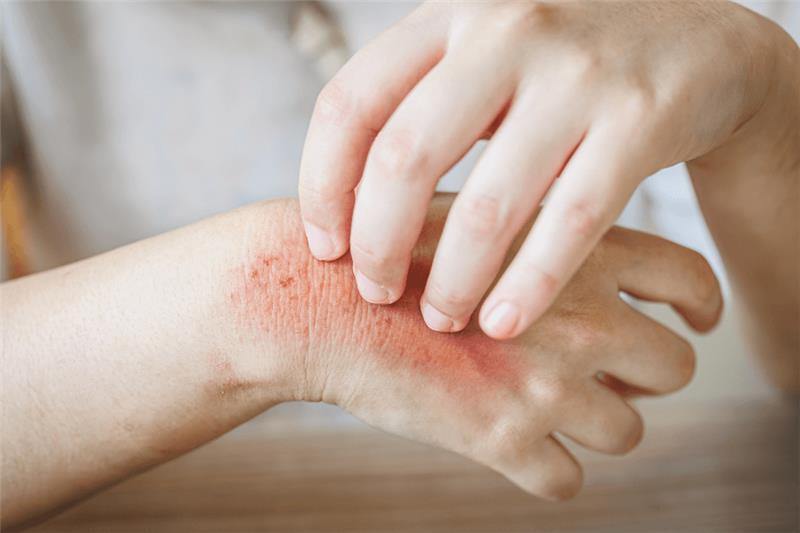
Tinea (Fungal Skin Infection) Symptoms, Causes & Treatment in Australia

What Does Tinea Look Like?

Typical signs include:

  • Red, scaly patches
  • Ring-shaped rash with raised borders Itching or burning
  • Cracking or peeling skin
  • Thickened or discoloured nails (if nails involved)

Tinea can sometimes resemble other skin conditions like eczema or psoriasis, which is why accurate diagnosis matters.

Types of Tinea (Fungal Infections)

Tinea is named based on where it appears on the body:

Tinea Pedis (Athlete’s Foot)

  • Affects the feet, especially between toes
  • Symptoms: itching, peeling, cracking, redness
  • Common in people who wear enclosed shoes for long periods

Tinea Cruris (Jock Itch)

  • Affects the groin and inner thighs
  • Symptoms: red, itchy rash with defined edges
  • More common in warm, sweaty conditions

Tinea Corporis (Body Ringworm)

  • Appears on arms, legs, or torso
  • Symptoms: circular, scaly rash with clearer centre

Tinea Capitis

  • Affects the scalp (more common in children)
  • Symptoms: patchy hair loss, scaling

Tinea Unguium (Fungal Nail Infection)

  • Affects fingernails or toenails
  • Symptoms: thickened, discoloured, brittle nails

Causes of Tinea

Tinea is caused by fungi that live on:

  • Skin
  • Surfaces (e.g. gym floors, showers)
  • Animals (especially cats and dogs)

It spreads through:

  • Skin-to-skin contact
  • Shared towels, clothing, or bedding
  • Walking barefoot in communal areas

Risk Factors

You may be more likely to develop tinea if you:

  • Live in a warm or humid climate (common in Australia)
  • Sweat frequently or wear tight clothing
  • Use shared gym or pool facilities
  • Have a weakened immune system
  • Have diabetes or other chronic conditions

How is Tinea Diagnosed?

Diagnosis is often based on:

  • Appearance of the rash
  • Your symptoms and history

In some cases, a clinician may recommend:

  • Skin scraping or fungal testing (via GP or pathology)

With Dermo Direct, you can upload clear images of your skin and receive a clinician review, often within 24–48 hours.

Treatment for Tinea in Australia

Treatment depends on the severity and location:

Topical Antifungal Treatments

  • Creams, gels or sprays applied directly to the skin
  • Often first-line for mild infections
  • Usually used for 1–4 weeks

Oral Antifungal Medications

May be required for:

  • ail infections
  • Scalp infections
  • Severe or widespread tinea

These require prescription and monitoring by a doctor.

Important Treatment Tips

  • Continue treatment for the full recommended duration, even if symptoms improve
  • Keep the area clean and dry
  • Avoid sharing personal items
  • Wash clothing and towels regularly

When to Seek Medical Advice

You should seek professional care if:

  • The rash is spreading or not improving
  • You’re unsure if it’s tinea or another condition
  • The infection involves the scalp or nails
  • You have underlying health conditions

Frequently asked questions

1. Is tinea contagious?

Yes, it can spread through direct contact or shared items.

2. Can I use over-the-counter creams?

Many mild cases respond to pharmacy antifungals, but diagnosis is important to avoid incorrect treatment.

3. How long does tinea last?

With treatment, it may improve within 1–2 weeks, but full treatment duration is important to prevent recurrence.

4. Is tinea the same as eczema?

No — they can look similar, but require different treatments.

Why patients trust Dermo Direct

Over 18,000 dermatology consults delivered.

14,000+ patients treated Australia-wide.

All dermatologists are registered with AHPRA.

Secure and confidential online platform.

Transparent pricing and clear treatment plans.

Your dermatologists

Dr. Brendan Stagg

Dermatologist
Dr Arabella Wallett

Dr. Arabella Wallett

Dermatologist
Dr. Dev Tilakaratne

Dr. Dev Tilakaratne

Dermatologist